About the seminar:
Cells continuously receive and interpret signals from their surroundings and neighbors. These signals are necessary to guide essential processes such as metabolism, migration, and memory. In this talk, I will discuss our work on engineering new proteins that enable cells to detect external cues based on mechanical forces, enzyme activity, and bio-orthogonal chemical reactions. First, I will describe the molecular strategies used to design and validate these proteins and then highlight how these systems can transduce extracellular information into intracellular changes in transcription and translation. In addition, I will introduce new tools we have developed to visualize and control mRNAs at the single-molecule level. Overall, this talk will emphasize how chemical toolmaking and molecular insights can deepen our understanding of cellular processes and offer new strategies to probe and program mammalian cell function. Together, these efforts demonstrate how chemical toolmaking and molecular engineering can advance our understanding of cellular signaling and provide new strategies to probe and reprogram mammalian cell function.
About the speaker:
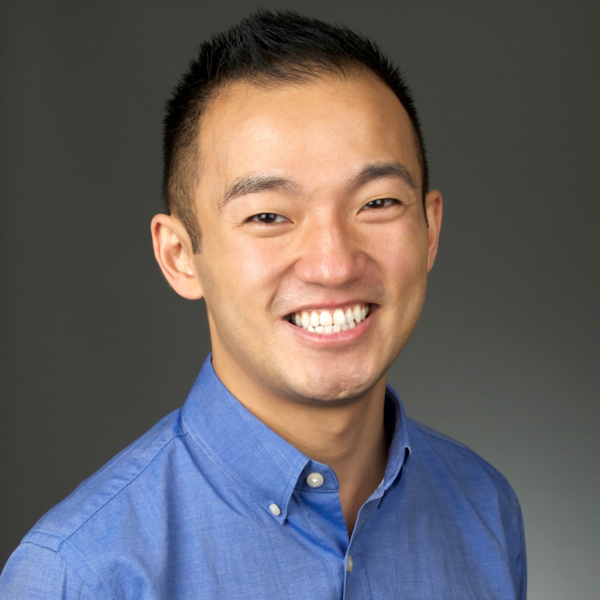
John Ngo is an Associate Professor of Biomedical Engineering at Boston University. He earned his Ph.D. in Biochemistry and Molecular Biophysics from Caltech and completed postdoctoral research at UC San Diego (2012–2015). His lab develops chemical and biophysical tools to probe, manipulate, and reprogram the processes governing how biological macromolecules are produced and organized within cells. These tools are used to reveal new insights into cellular biology and to address challenges in engineering therapeutic cells, RNAs, and proteins.