Speaker
Mark Farrell, Ph.D.
Speaker's Institution
University of Kansas
Date
2026-02-02
Time
4:00pm
Location
Chemistry A101
Mixer Time
3:45pm
Mixer Time
Chemistry B101E
Calendar (ICS) Event
Additional Information

Abstract:

Glycans regulate many biological processes, but weak and transient carbohydrate-protein interactions are difficult to detect in native settings, and disease-associated glycosylation changes are often hard to exploit. In this seminar, I will present two complementary chemical strategies that convert glycan recognition into actionable readouts for discovery and targeting. First, I will introduce carbohydrate-directed labeling probes (CDLPs), a modular class of ligand-directed covalent probes in which a carbohydrate ligand and a bioorthogonal handle flank a tuned electrophile. Carbohydrate binding positions the electrophile near nucleophilic residues on carbohydrate-binding proteins (CBPs), trapping fleeting interactions as stable covalent adducts for detection and profiling. CDLPs function in purified systems, live cells, and native proteomes, enabling detection of millimolar-affinity interactions in a ligand- and competition-dependent manner. A 6′-sialyllactose CDLP selectively labels CD22 on B cells, and quantitative chemoproteomics with sialyllactose- and lactose-CDLPs maps complementary, ligand-specific networks while uncovering proteins without prior carbohydrate annotations. Second, I will describe lectin drug conjugates (LDCs) that leverage cancer-associated increases in high mannose N-glycans to deliver toxins selectively to cancer cells. Moreover, cells with low high mannose levels can be sensitized by co-treatment with a type I mannosidase inhibitor. Together, these approaches demonstrate how chemical tools can both illuminate glycan-binding biology and translate aberrant glycosylation into therapeutic opportunity.


Speaker Bio:
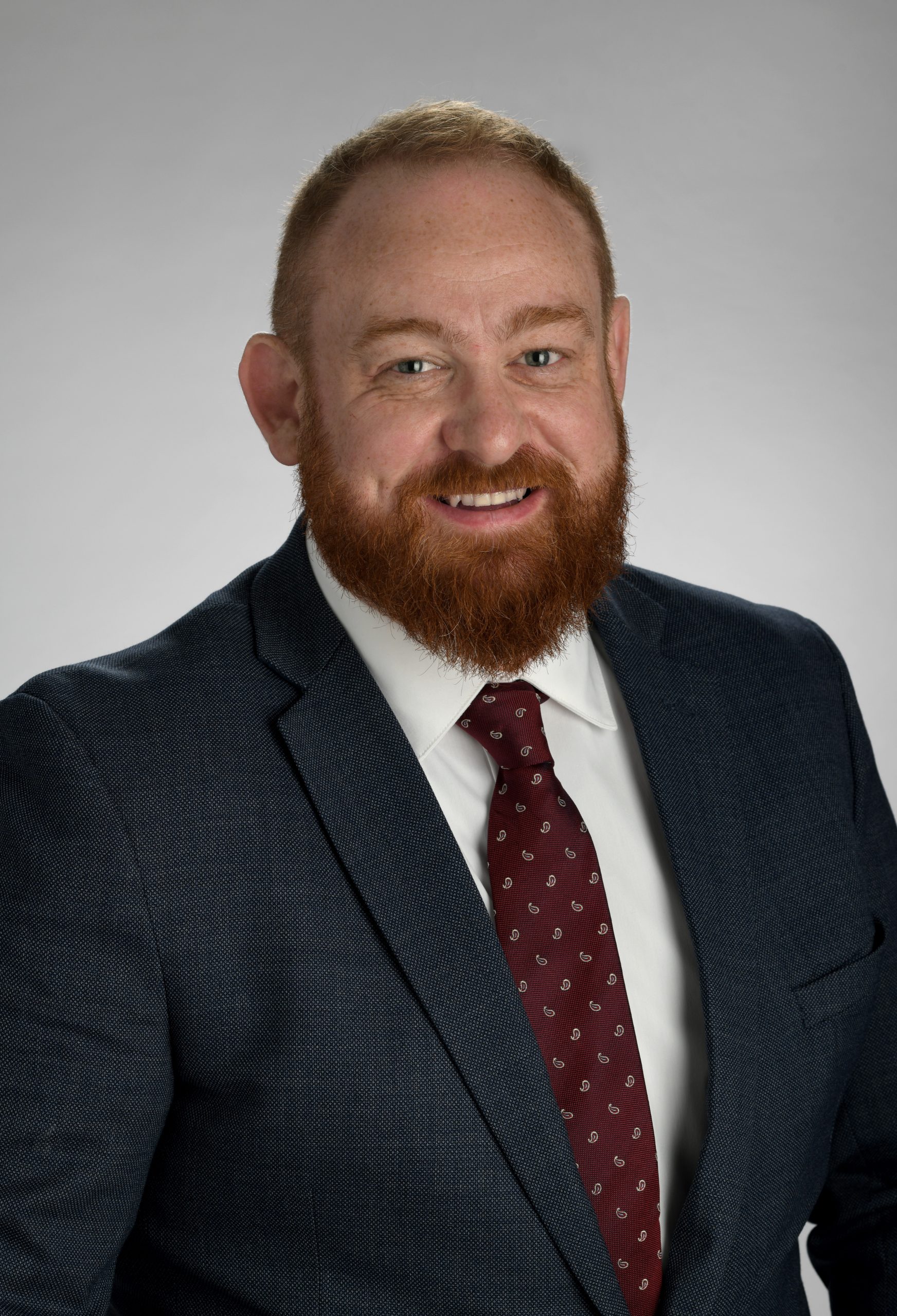
Dr. Mark Farrell completed his undergraduate and doctoral studies in Chemistry at the National University of Ireland, Galway. His PhD studies were supported by Roche and focused on stereoselective methods for glycosidic bond formation under the mentorship of Professor Paul V. Murphy. Following his PhD, he joined the laboratory of Professor Amos B. Smith III at the University of Pennsylvania as a postdoctoral fellow, where he developed new Anion Relay Chemistry methods and synthetic approaches to natural products and HIV-1 entry inhibitors. In 2017, he joined the Department of Medicinal Chemistry at the University of Kansas School of Pharmacy, where he is now an Associate Professor, the Director of Graduate Studies, and Co-Leader of the Drug Discovery, Delivery, & Experimental Therapeutics (D3ET) Program at the University of Kansas Comprehensive Cancer Center. He also leads the Synthetic Chemical Biology Core for the NIH-funded Center for Chemical Biology of Infectious Disease (CBID). Dr. Farrell’s research group integrates synthetic chemistry, glycobiology, and immunology to develop chemical tools that uncover how glycan-protein interactions regulate immune pathways and influence cancer progression. His work spans the development of lectin-based probes, glycan-specific inhibitors, and chemical strategies to enhance cell-based immunotherapies.
Photo of Dr. Mark Farrell
Picture of Dr. Jose Miguel Garcia-MartinImage of the CSU Ram logo in green and yellow.