Seminar Abstract:
Transition metal catalysis has revolutionized chemical synthesis. Reactions such as metal-catalyzed cross coupling, asymmetric hydrogenation and C–H functionaliza-tion have changed the way chemists approach bond constructions and ultimately expand molecular space. Historically, these reactions are catalyzed by closed-shell precious metal complexes that undergo predictable and reliable two-electron redox changes. The increased emphasis on sustainability has shifted focus to more earth-abundant first row transition metals such as manganese, iron, cobalt and nickel in catalysis. These elements offer weaker ligand fields, accessible one-electron re-dox chemistry and often open shell ground states. My lecture will focus on our work to establish a detailed understanding of the fundamental organometallic chemistry of open shell complexes and the associated one-electron redox chemistry. This ap-proach has been applied to distinct C–C bond-forming chemistry relevant to the synthesis of drug molecules, carbon neutral fuels, chemically recyclable polymers and site-selective C–H functionalization reactions. The mechanisms and role of electronic structure in this reactivity will be an emphasis.
Speaker Bio:
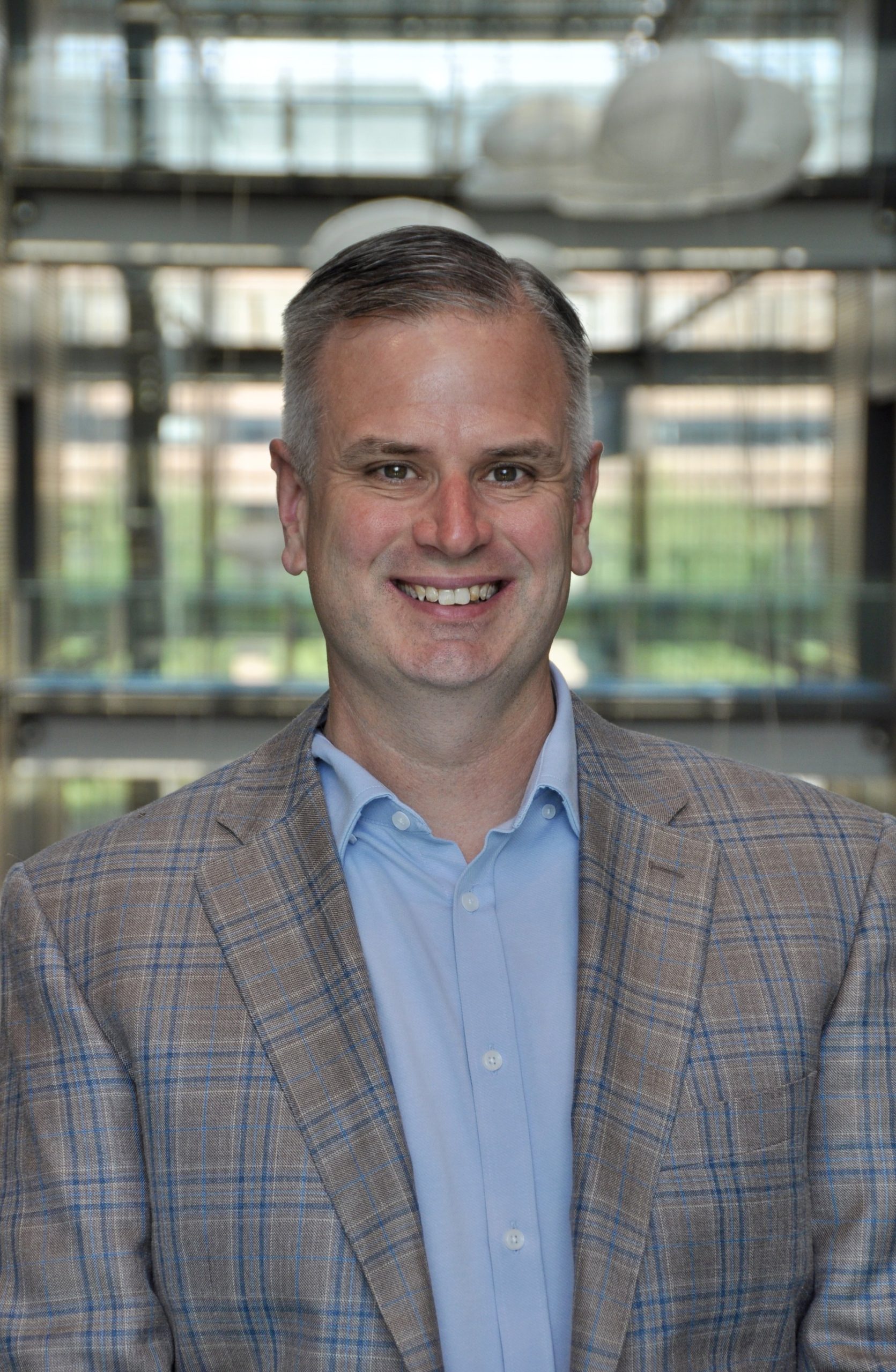
Paul J. Chirik is the Edwards S. Sanford Professor of Chemistry and Chair of the Princeton Chemistry Department. Chirik is a synthetic chemist with broad interests in catalysis and sustainability. His research group focuses on chemical reactions with reduced carbon footprint, reliance on earth abundant rather than precious elements and new bond disconnections that reduce waste and separations. A native of Phila-delphia, Pennsylvania, he obtained his B. S. in chemistry at Virginia Tech where in the laboratory of Joseph Merola, his interest in the chemistry of the transition metals began. Chirik earned his Ph. D. at Caltech under the supervision of John Bercaw and following a brief postdoctoral appointment at MIT, began his independent career at Cornell in 2001. In 2006, he was promoted to Associate Professor and in 2009 was named the Peter J. W. Debye Professor of Chemistry. In 2011, Chirik and his re-search group moved to Princeton University where he was named the Edwards S. Sanford Professor of Chemistry. His teaching and research have been recognized with an Arthur C. Cope Scholar Award, the Blavatnik Award for Young Scientists, a Packard Fellowship in science and engineering, the 2016 Presidential Green Chemistry Challenge Award, the 2017 the 2019 Eni Enivornmental Solutions Prize, the Gabor Samorjai Award for Creative Research in Catalysis and the Linus Pauing Medal. Chirik is the author of over 250 peer reviewed publications, inventor on more than 20 patent applications and current Editor-in-Chief of Organometallics.