Seminar Categories
All Upcoming
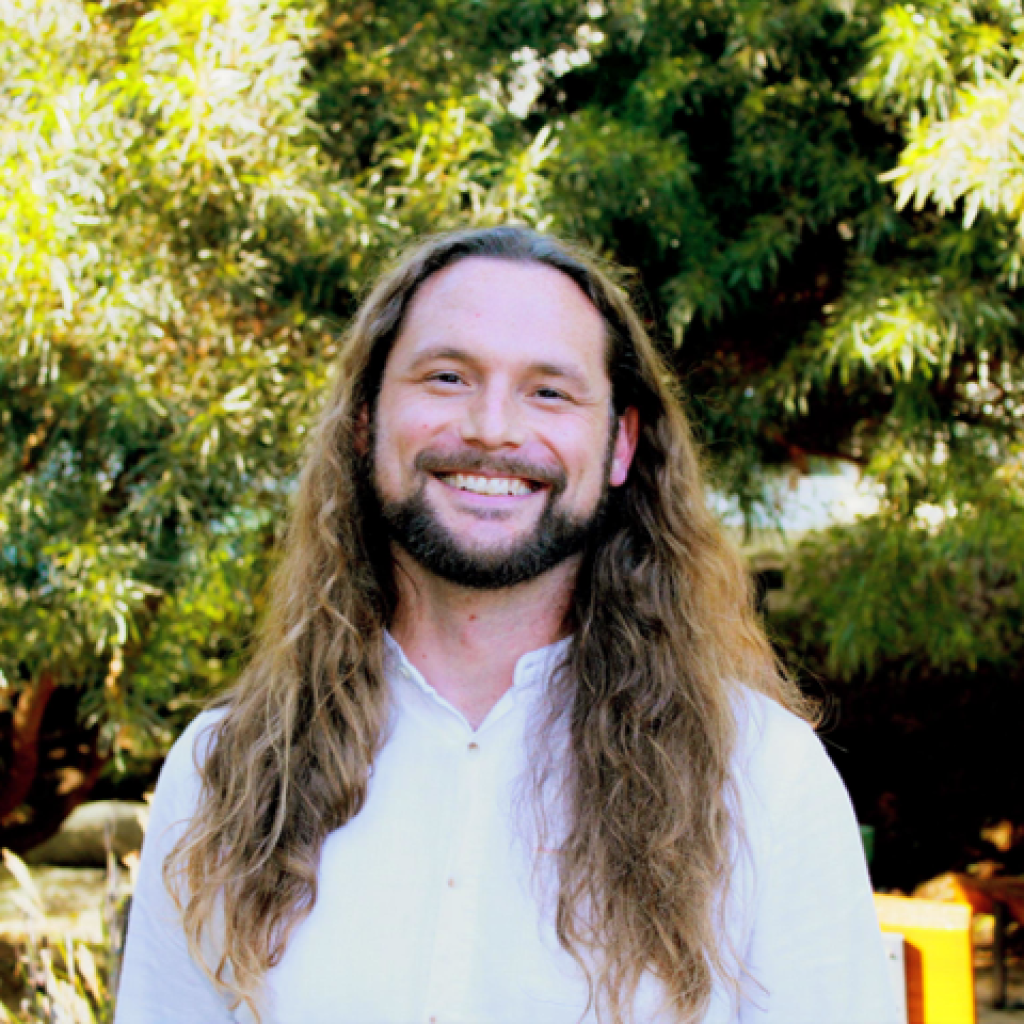
4/13/26 at 4:00pm in Chemistry A101
Seminar abstract: Research in the Romero Polymer Lab focuses on the development of novel methodologies for precision synthesis and functionalization of polymeric materials, seeking to address longstanding challenges in stimuli-responsive materials, optoelectronically active polymers, and polymer sustainability. Our efforts utilize a variety of synthetic tools to achieve molecular-level control over polymer structure and properties, with […]

4/17/26 at 4:00pm in Chemistry A101
Seminar Abstract: AI offers a powerful opportunity to accelerate the discovery of chemicals and materials critical for energy and sustainability, much as it has transformed other domains. Progress in AI increasingly appears to depend on scaling—perhaps above all else. As Rich Sutton’s “bitter lesson” suggests, methods that effectively harness computation tend to outperform those relying […]

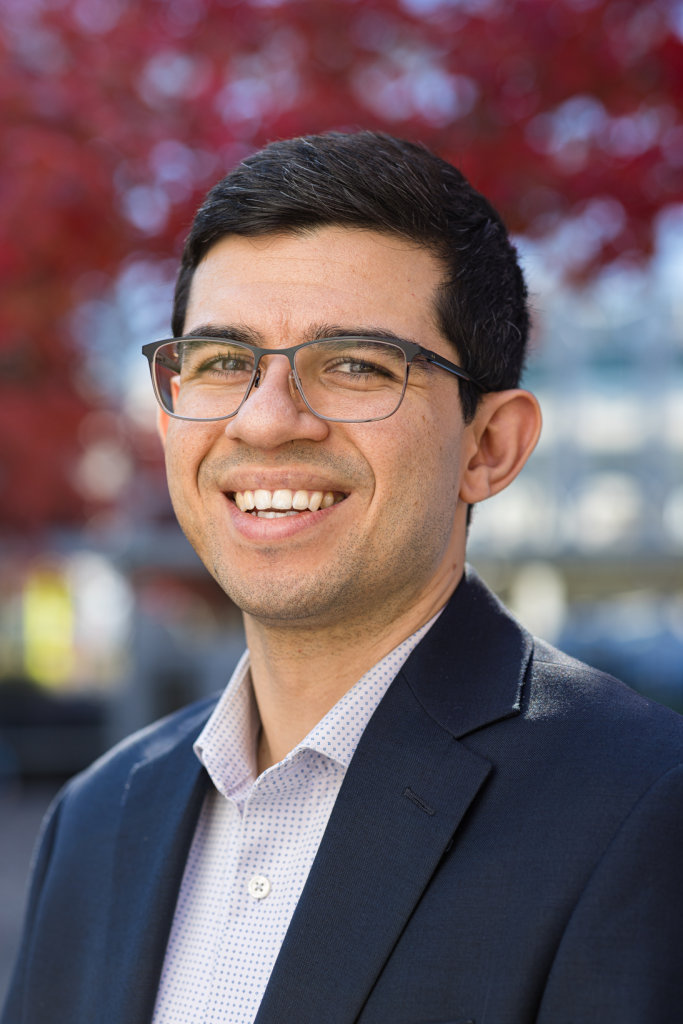
4/23/26 at 4:00pm in Chemistry A101
Seminar Abstract: Electrocatalysis has the potential to enable sustainable chemical infrastructures via the generation of commodity chemicals such as hydrogen, hydrocarbons, and ammonia with renewable energy, but electrochemical devices such as electrolyzers often exhibit inadequate activity and stability for these transformations due to poor catalyst performance for the oxygen evolution reaction (OER). The Moreno-Hernandez Laboratory […]

4/30/26 at 11:00am in Walnut 109
Pair distribution function (PDF) analysis is a total scattering technique that can use x-rays to capture local order in crystalline, amorphous, and nanoparticle materials by providing information about the distances between atoms and their neighbors. Traditionally, PDF analysis required particle accelerator facilities to perform this analysis in a timely manner. However, recent improvements in lab […]
5/5/26 at 4:00pm in Chemistry A101
Seminar Abstract: Crystalline material bulk properties are directly related to the disorder inherent in all crystals. Often thought to be purely random, disorder tends to follow strict rules based on short-range environments. Traditional crystallographic methods probe long range order and so fail to describe the short-range correlations in disordered materials that often contribute observed phenomena. […]
Most Recent Past Seminars

4/8/26 at 5:30pm in LSC Theater
On April 8 at 5:30 p.m., the University Honors Program and University Advancement will host the 2026 Eddy Lecture, titled “Beyond Screens, Chats, and Cheating: Reimagining AI in Education” (LSC Theatre). The talk will be delivered by Dr. Sidney D’Mello (University of Colorado Boulder), whose work focuses on how cognition and emotion shape learning in real-world environments. Dr. […]


4/7/26 at 4:00pm in Chemistry A101
Seminar Abstract: Atmospheric N2 is a cheap, abundant resource with great potential for energy storage and chemical synthesis, but it is difficult to convert it into other compounds (“fixing” nitrogen). This seminar will describe the challenges and opportunities of nitrogen fixation, as well as my students’ discoveries of how to break the N–N bond of […]

4/1/26 at 4:00pm in Chemistry A101
Seminar Abstract: The increased intensity of wildfires in the American West has halted the progress made in improving air quality. For example, surface ozone and PM2.5 decreased for many years across the West, but these trends have stopped or have even reversed. Another major emerging issue is the occurrence of urban fires as happened in […]
3/30/26 at 4:00pm in Chemistry A101
Seminar Abstract: Many natural products and pharmaceuticals have complex polycyclic structures that present synthetic challenges. There are many powerful reactions (Diels-Alder, Pauson-Khand, Grubbs ring-closing metathesis, Wender arene-alkene photocycloadditions, and others), but new ring formations are always in high demand. For the last 20 years, my group has pioneered in the development of more than twenty […]
3/25/26 at 2:00 PM in Hybrid: Chem B201/Teams
Small-Angle X-ray Scattering (SAXS) is a powerful technique for probing nanoscale structure and morphology in materials with long-range order on the nanometer scale (1–100 nm) but which may not be crystalline, including polymers, proteins, biomaterials. Conventional X-ray diffraction (XRD) can struggle with these materials due to their amorphous nature or large feature sizes. This seminar […]
3/23/26 at 4:00pm in Chemistry A101
Seminar Abstract: Organic photoredox catalysis enables the conversion of light energy into chemical reactivity through photoinduced electron transfer processes. However, achieving highly reducing photochemistry typically requires high-energy light, which can lead to undesired side reactivity and limited light penetration. Lower-energy visible light offers advantages in selectivity, scalability, and compatibility with complex environments, but its reduced […]
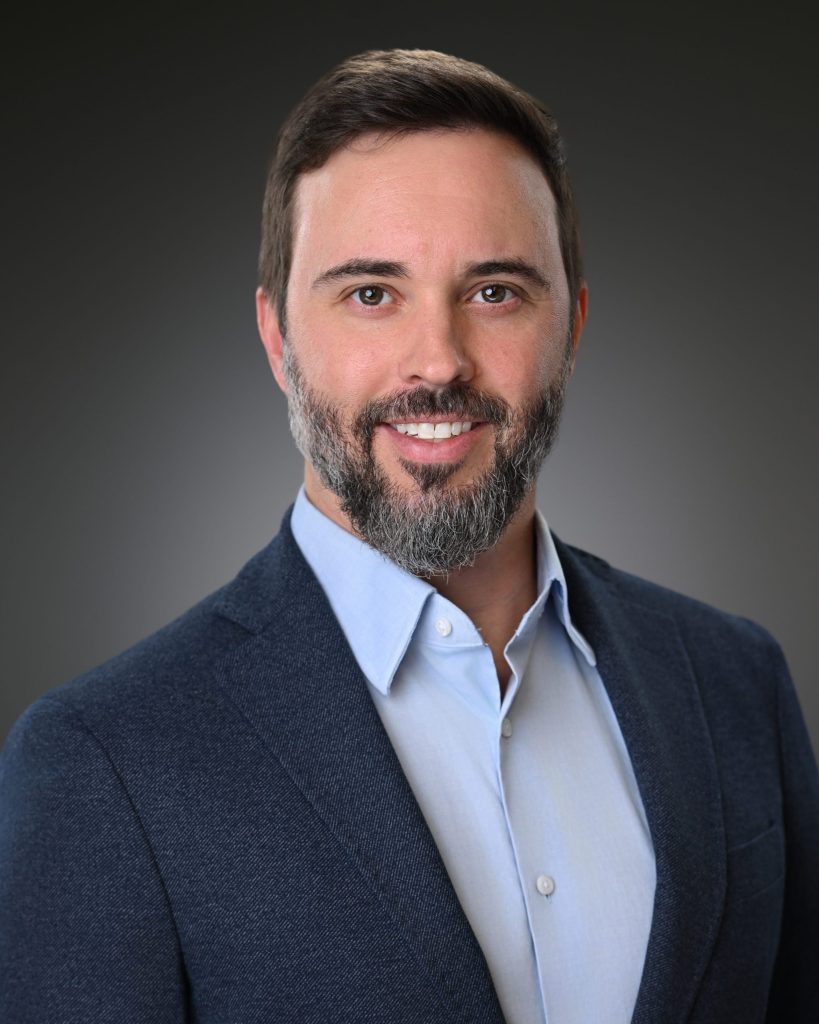
3/12/26 at 4:00pm in Chemistry A101
Seminar Abstract: Understanding proteins in their native environments and the full conformational landscapes they explore is essential for linking structure to function. This seminar focuses on lipoxygenases (LOXs), a family of non-heme, primarily iron-containing enzymes that catalyze the regio- and stereospecific oxygenation of polyunsaturated fatty acids (PUFAs) released from membranes by phospholipases. While phospholipases rely […]